
Best Garage Floor Coating Options for Your Home
When it comes to upgrading your garage, the floor often gets overlooked. But trust me, a well-coated garage floor can transform the entire space. It’s not just about looks; it’s about durability, safety, and ease of maintenance. If you’ve been wondering about the best garage floor coating options for your home, you’re in the right place. Let’s dive into the world of garage floor coatings and find the perfect fit for your space.
Exploring Popular Garage Coating Options
Choosing the right garage floor coating can feel overwhelming with so many choices out there. But breaking it down helps. Here are some of the most popular garage coating options, each with its own perks and quirks.
Epoxy Coatings
Epoxy is a classic choice and for good reason. It’s a two-part system that creates a hard, durable surface. Once applied, epoxy forms a glossy finish that resists stains, chemicals, and abrasions. It’s perfect if you want a sleek, polished look.
Pros: Durable, chemical-resistant, glossy finish, affordable.
Cons: Can yellow over time, requires proper surface prep, longer curing time.
Epoxy coatings are great for homeowners who want a balance between cost and performance. Just remember, the surface needs to be clean and dry before application to avoid peeling.
Polyurethane Coatings
Polyurethane coatings are flexible and resistant to UV rays, which means they won’t yellow or fade easily. They’re also great at resisting abrasions and chemicals, making them a solid choice for busy garages.
Pros: UV resistant, flexible, chemical and abrasion resistant.
Cons: More expensive than epoxy, longer curing time.
If your garage gets a lot of sunlight or you want a coating that stays vibrant longer, polyurethane might be the way to go.
Polyaspartic Coatings
Polyaspartic coatings are the new kid on the block but quickly gaining popularity. They cure fast and offer excellent durability. Plus, they can be applied in a wider range of temperatures, which is perfect for places with fluctuating weather.
Pros: Fast curing, UV stable, highly durable, flexible application.
Cons: Higher cost, requires professional installation.
This option is ideal if you want a quick turnaround and a floor that can handle heavy traffic without breaking a sweat.
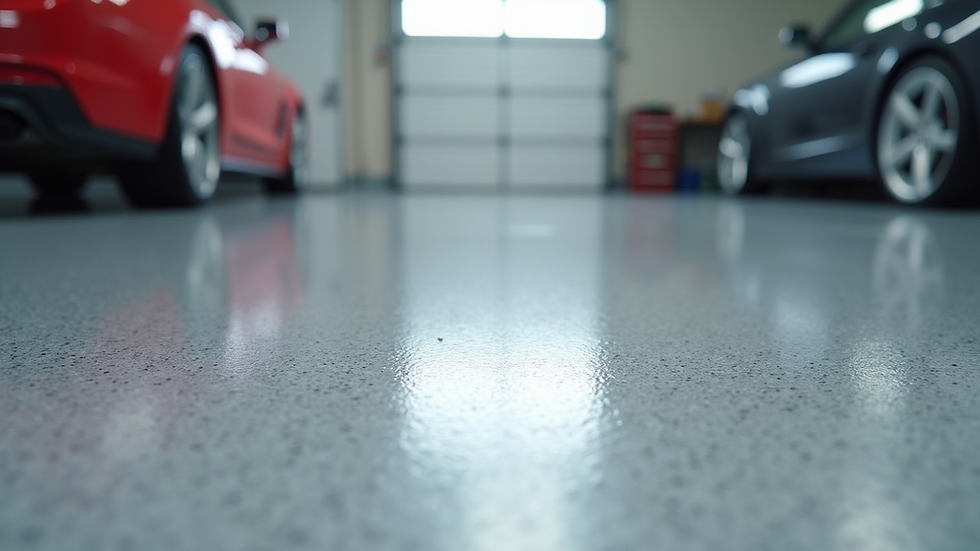
Why is Polyaspartic Better Than Epoxy?
You might be wondering, “Why is polyaspartic better than epoxy?” It’s a great question because both are popular choices. Here’s the scoop:
Curing Time: Polyaspartic coatings cure in just a few hours, while epoxy can take days. This means less downtime for your garage.
UV Resistance: Polyaspartic doesn’t yellow or fade under sunlight, unlike epoxy, which can discolor over time.
Temperature Flexibility: Polyaspartic can be applied in a wider range of temperatures, making it more versatile for different climates.
Durability: Both are durable, but polyaspartic tends to be more flexible, reducing the risk of cracking.
In short, polyaspartic offers a faster, more durable, and UV-resistant finish. If you want a garage floor that looks great and lasts longer with less hassle, polyaspartic is a smart choice.
How to Choose the Right Garage Floor Coating for Your Home
Picking the right coating depends on your needs and lifestyle. Here are some factors to consider:
Budget: Epoxy is usually the most budget-friendly, while polyaspartic is on the higher end.
Usage: If your garage sees heavy traffic or chemical spills, go for something durable like polyaspartic or polyurethane.
Climate: For sunny areas, UV resistance is key. Polyurethane and polyaspartic coatings shine here.
Appearance: Want a glossy, showroom look? Epoxy and polyaspartic coatings deliver that shine.
Installation Time: Need your garage back quickly? Polyaspartic’s fast curing is a big plus.
By weighing these factors, you can narrow down your options and pick a coating that fits your lifestyle perfectly.

Preparing Your Garage Floor for Coating
Before you get excited about the finish, preparation is key. A poorly prepared floor means your coating won’t stick well and could peel or chip.
Clean Thoroughly: Remove all dirt, grease, and oil stains. Use a degreaser if needed.
Repair Cracks: Fill any cracks or holes with a concrete patch.
Etch the Surface: This roughens the concrete so the coating adheres better.
Dry Completely: Moisture can ruin the coating, so make sure the floor is dry.
Taking these steps ensures your new garage floor coating lasts for years to come.
Maintaining Your Garage Floor Coating
Once your floor is coated, keeping it in top shape is easier than you might think. Here are some simple tips:
Regular Cleaning: Sweep or vacuum to remove dirt and debris.
Mop Occasionally: Use a mild detergent and water to clean spills.
Avoid Harsh Chemicals: Stick to gentle cleaners to protect the coating.
Use Floor Mats: Place mats under vehicles or work areas to prevent damage.
With a little care, your garage floor will stay beautiful and functional for a long time.
Transform Your Garage with the Right Coating
Choosing the right garage floor coating can make a huge difference in your home’s functionality and style. Whether you prefer the classic durability of epoxy, the UV resistance of polyurethane, or the fast curing and toughness of polyaspartic, there’s an option that fits your needs.
If you want to explore the best garage floor coating options in detail, take a closer look at what each type offers. Your garage deserves a floor that’s not just tough but also a joy to look at every day.
Ready to give your garage a fresh start? The right coating is just a decision away.


Comments